

When it comes to woodworking, understanding wood grain is just as important as choosing the right type of wood. The direction, pattern, and texture of the grain significantly impact the appearance, strength, and workability of your project. Whether you’re crafting a rustic dining table, a decorative sign, or a custom cabinet, mastering wood grain will elevate your craftsmanship.
What Is Wood Grain?
Wood grain refers to the alignment, texture, and appearance of wood fibers. These fibers run along the length of the tree trunk and are visible in the cut surfaces of lumber. Grain patterns form naturally and are influenced by the species of tree, its growth environment, and how the wood is sawn.
Types of Wood Grain
Understanding the different types of wood grain can help you make informed design and construction decisions:
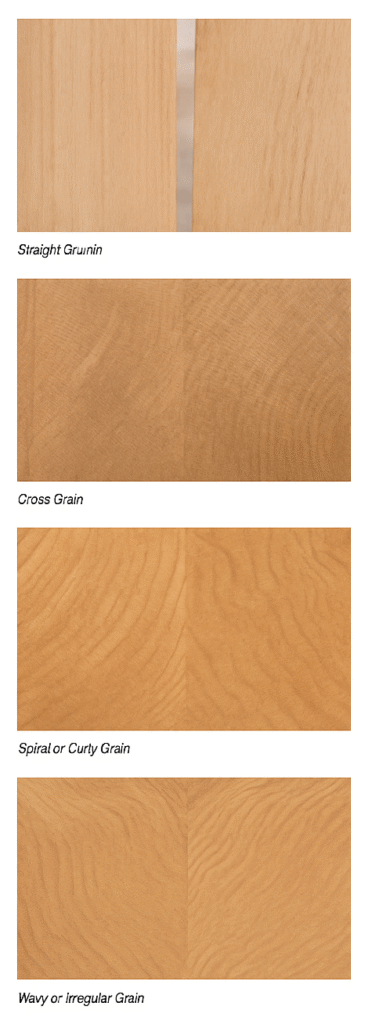
1. Straight Grain
- Appearance: Uniform and parallel lines
- Pros: Easy to cut, strong, and predictable
- Best For: Structural components, tabletops, furniture frames
2. Cross Grain
- Appearance: Fibers run in varying directions
- Pros: Adds character
- Cons: Can lead to tear-out during planing or routing
- Best For: Decorative accents, rustic finishes
3. Spiral or Curly Grain
- Appearance: Wavy or swirling pattern
- Pros: Visually stunning
- Cons: Difficult to sand or plane cleanly
- Best For: Showpiece furniture, custom inlays
4. Wavy or Irregular Grain
- Appearance: Inconsistent patterns
- Pros: Adds uniqueness
- Cons: Can cause wood movement issues
- Best For: Artistic projects, turned bowls, decorative panels
How Grain Direction Affects Your Work
Strength and Stability
Wood is stronger along the grain than across it. For load-bearing parts, align the grain with the force direction. Poor grain orientation can cause weak joints or structural failure.
Cutting and Planing
Working with the grain minimizes tear-out and produces smoother cuts. Planing against the grain can cause chipping and rough surfaces. Always inspect the grain direction before using power tools.
Finishing
Grain affects how wood absorbs stain and finish. Open-grain woods like oak will absorb more finish than closed-grain woods like maple, leading to darker and more textured results.
Glue and Joinery
For strong bonds, ensure glue surfaces align with the grain whenever possible. End grain absorbs glue quickly but creates weaker joints compared to side or long grain.
Grain and Aesthetics
Choosing the right grain can define the visual appeal of your project. Bookmatching (placing mirrored grain patterns side by side) or using quartersawn boards can create striking effects. On tabletops or visible surfaces, align grain direction for symmetry and flow.
Tips for Working with Wood Grain
- Mark the grain direction before cutting or planing.
- Use sharp tools to reduce tear-out on difficult grains.
- Match grain direction across joints for a cohesive look.
- Pre-test stains on scrap pieces to gauge absorption and color.
Final Thoughts
Understanding wood grain is essential for achieving professional results in your woodworking projects. By learning how to read and work with grain, you’ll not only improve the durability of your builds but also elevate their beauty. Whether you’re a weekend hobbyist or a seasoned woodworker, mastering grain is a skill that pays dividends in every cut, joint, and finish.


Leave a Reply
You must be logged in to post a comment.