

By Imagine Craft Workshop
Joinery is the art of connecting pieces of wood together, and it’s one of the most essential skills for any aspiring woodworker. Whether you’re building a picture frame, a table, or a cabinet, knowing which joints to use—and how to make them—can take your craftsmanship from wobbly to wonderful.
This guide breaks down the most beginner-friendly joinery techniques, including when and how to use them, with clear illustrations to guide you.
What Is Wood Joinery?
Wood joinery involves crafting two or more pieces of wood so they fit together snugly and securely—without relying solely on screws or nails. Some joints are strong because of their shape; others rely on glue or mechanical fasteners.
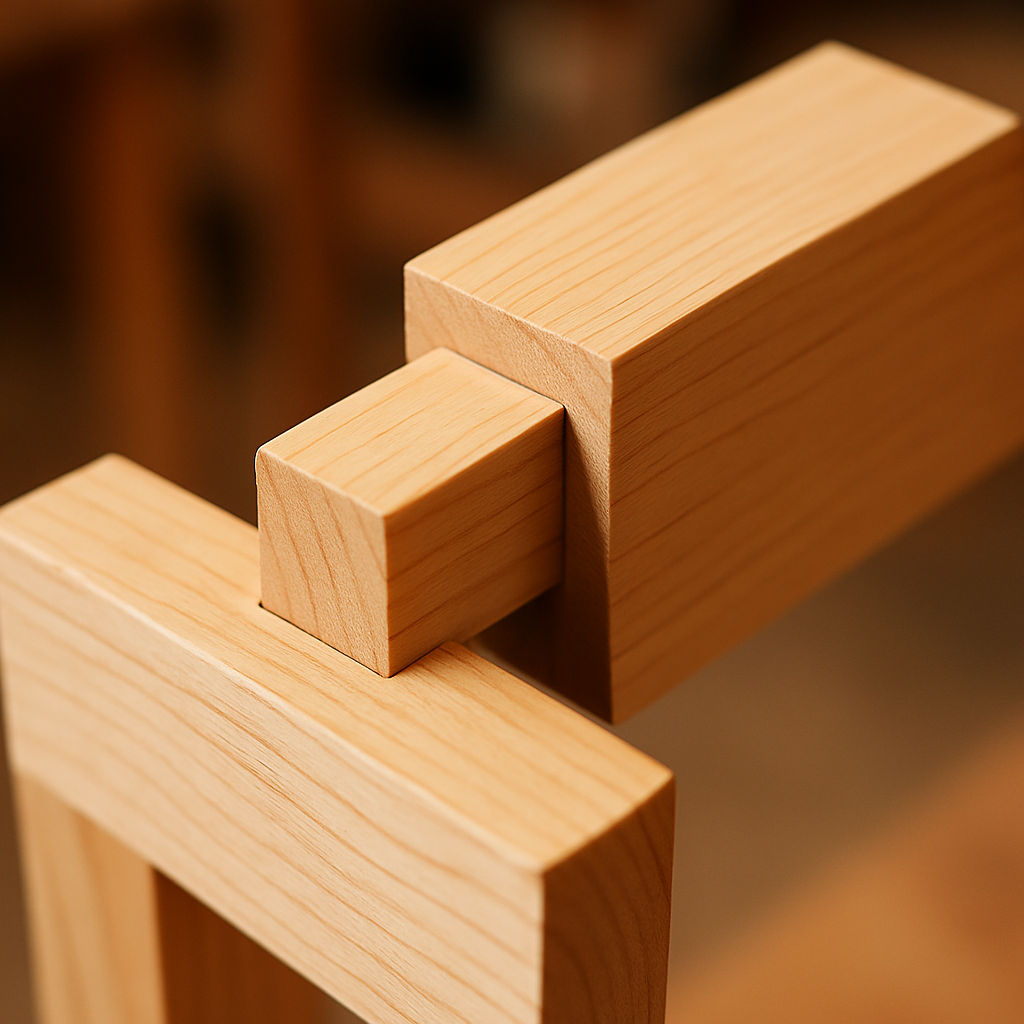
1. Mortise and Tenon
Best for: Table legs, frames, doors
Tools needed: Chisel, mallet, marking gauge, handsaw or tenon saw
One of the oldest and strongest joints in woodworking. The tenon is a tongue cut on the end of one piece of wood; the mortise is a hole or cavity cut into the matching piece.
🧰 Tips:
- Keep your tenon cheeks smooth and flat for a snug fit.
- Use a clamp to test-fit before gluing.
2. Dowel Joint
Best for: Chairs, cabinets, shelving
Tools needed: Drill, dowel jig, dowels, wood glue
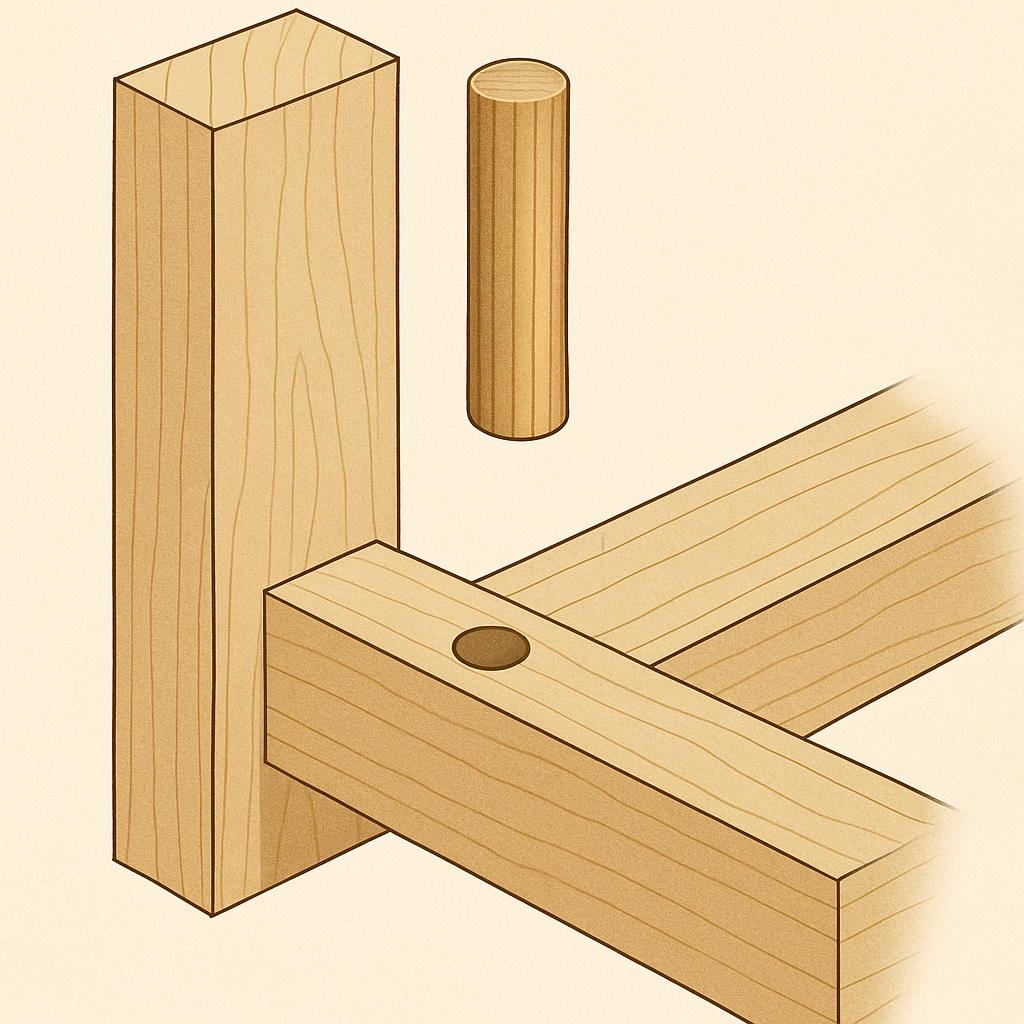
In a dowel joint, small round wooden pegs are inserted into matching holes in both boards. It’s a simpler alternative to mortise and tenon but still very strong.
🧰 Tips:
- Use a dowel jig to ensure perfect alignment.
- Mark the depth of your drill bit with tape to avoid drilling too deep.
3. Dovetail Joint
Best for: Drawers, boxes, fine cabinetry
Tools needed: Dovetail saw, chisel, marking knife
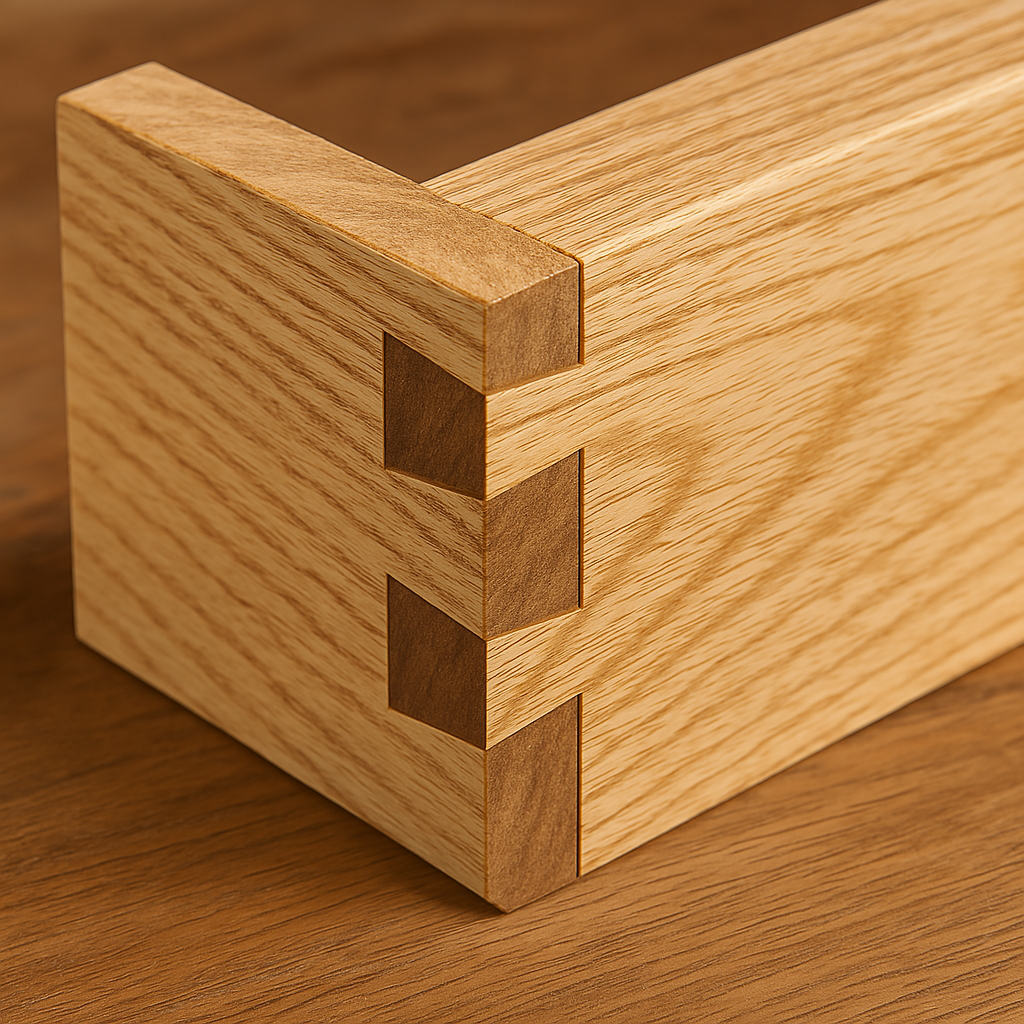
The dovetail is beloved for its beauty and strength. It features interlocking “tails” and “pins” that resist being pulled apart—ideal for drawers that are opened frequently.
🧰 Tips:
- Practice on scrap wood—dovetails can be tricky at first.
- Cut tails first, then transfer the layout to your pins.
4. Butt Joint
Best for: Quick frames, basic boxes
Tools needed: Clamp, glue, nail gun or screws (optional)
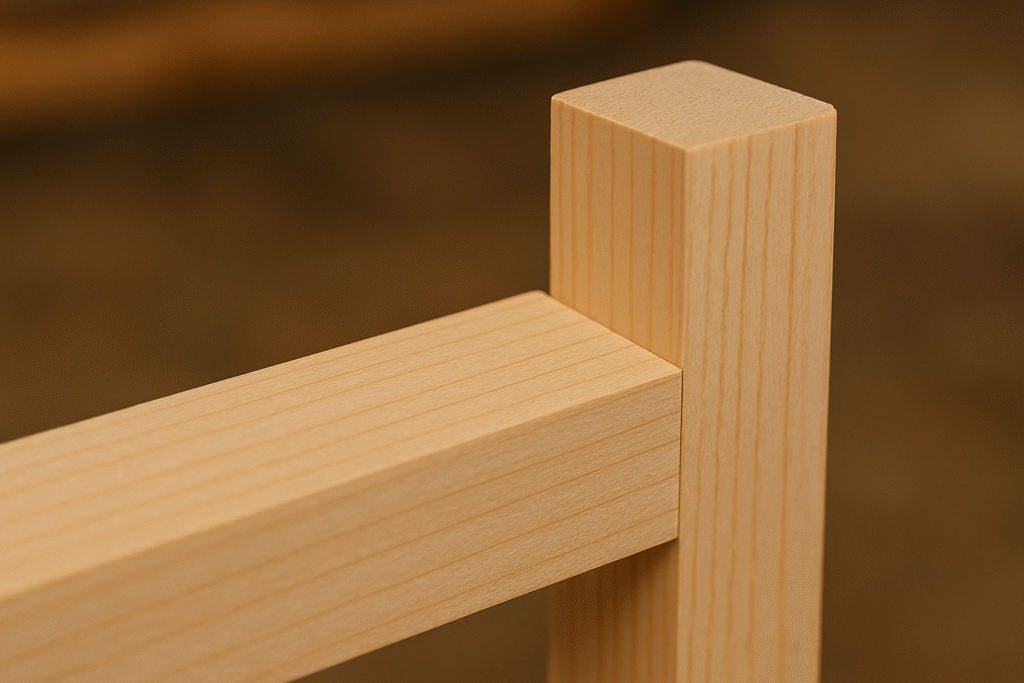
The simplest of all joints: just two square-cut boards glued together at the ends or edges.
🧰 Tips:
- Reinforce with screws or biscuits for extra strength.
- Use clamps to ensure tight contact while the glue dries.
Bonus: Pocket Hole Joinery
Best for: Face frames, furniture repair
Tools needed: Pocket hole jig, drill, screws
Using angled holes to join wood with screws, pocket hole joinery is fast, easy, and strong. Great for beginners who want good results without traditional joinery tools.
🧰 Tips:
- Always use the correct length screws for the wood thickness.
- Hide the pocket holes on the inside or underside of your project.
Final Thoughts
Joinery is where precision meets creativity. Start simple—master the butt joint and dowel joint—and work your way up to mortise & tenon or dovetails. Practice each technique with scrap wood and remember: measuring twice and cutting once is especially true for joinery!


Leave a Reply
You must be logged in to post a comment.